SPHEREx Mission Team Wins ECAD Award
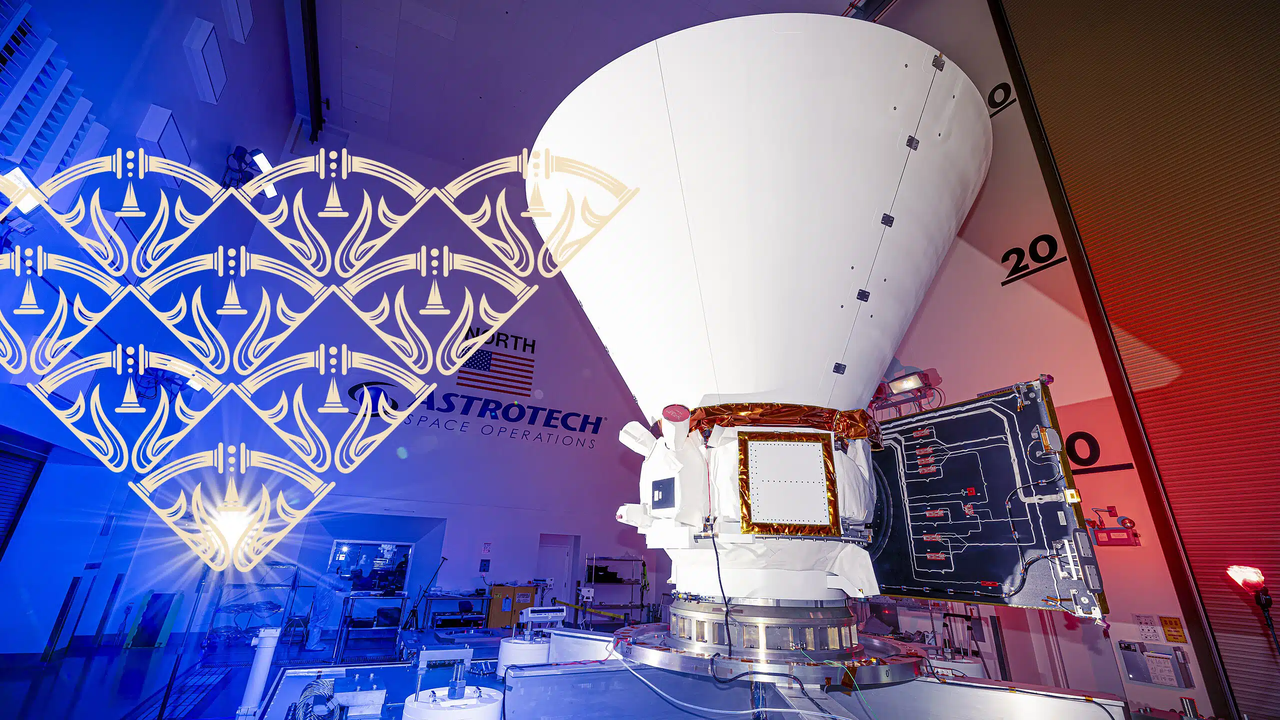
The SPHEREx Mission Team received the Explorers Club Sylvia A. Earle Award for Exploration Excellence. SPHEREx is recognized for its outstanding contributions to astrophysical exploration and for advancing our understanding of the cosmos through groundbreaking instrumentation and survey design — completing the first infrared map of the entire sky in 102 colors. Since 1904, The Explorers Club has recognized the world’s greatest explorers with exploration’s highest honors.
Recent News

SPHEREx Honored with RNASA Stellar Award
The Rotary National Award for Space Achievement awarded their 2026 Stellar Award to JPL's SPHEREx team for their outstanding contributions to space science and technology.
Read More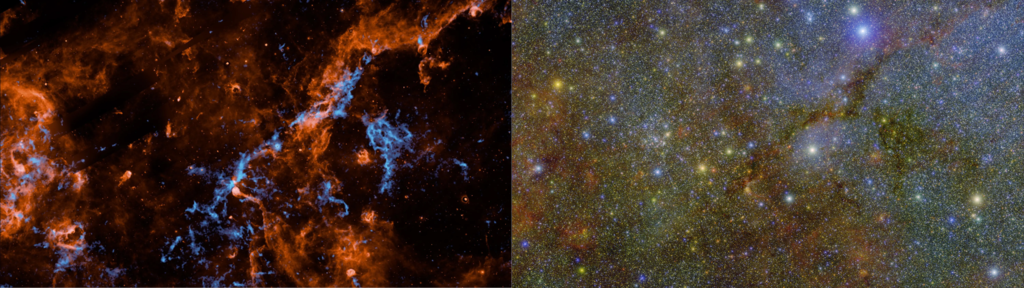
NASA’s SPHEREx (Spectro-Photometer for the History of the Universe, Epoch of Reionization, and Ices Explorer) mission has mapped interstellar ice at an unprecedented scale. Covering regions in our Milky Way galaxy more than 600 light-years across, the ice was found inside giant molecular clouds — vast regions of gas and dust where dense clumps of matter collapse under gravity, giving birth to...
Read More
NASA’s SPHEREx Mission Tracks Brightening of Interstellar Comet
NASA’s SPHEREx mission turned its infrared gaze on interstellar comet 3I/ATLAS in December 2025, adding to the deep pool of information the agency has gathered on what is only the third such object to be discovered passing through our solar system.
Read More
NASA’s SPHEREx Observatory Completes First Cosmic Map Like No Other
Launched in March, NASA’s SPHEREx space telescope has completed its first infrared map of the entire sky in 102 colors. While not visible to the human eye, these 102 infrared wavelengths of light are prevalent in the cosmos, and observing the entire sky this way enables scientists to answer big questions, including how a dramatic event that occurred in the first billionth of a trillionth of a...
Read More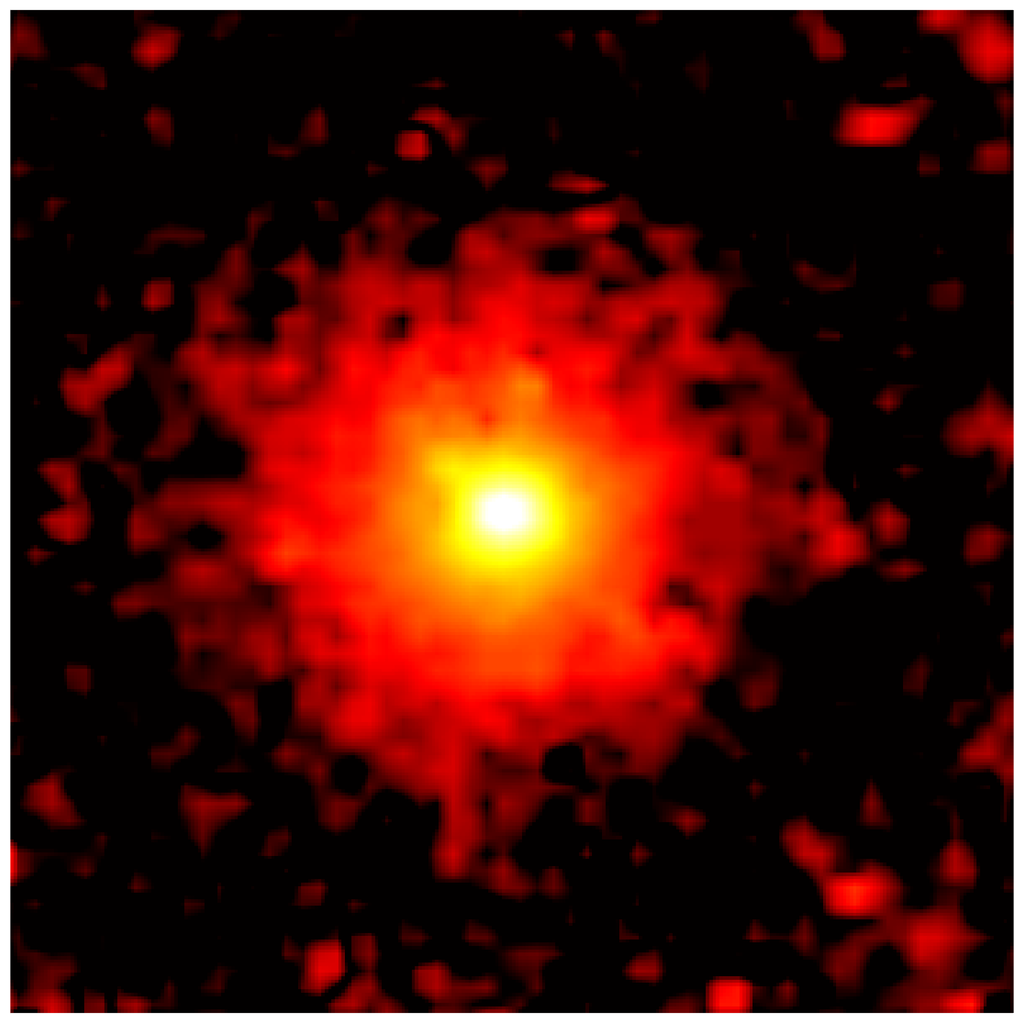
SPHEREx has made detailed multi-spectral observations of interstellar comet 3I/ATLAS, detecting an abundance of carbon dioxide gas in its coma (the extended gaseous atmosphere of a comet) and water ice in its nucleus. The observations were made between Aug. 7 to Aug. 15, when the object was about 290 million miles (470 million kilometers) from the Sun.
Read More